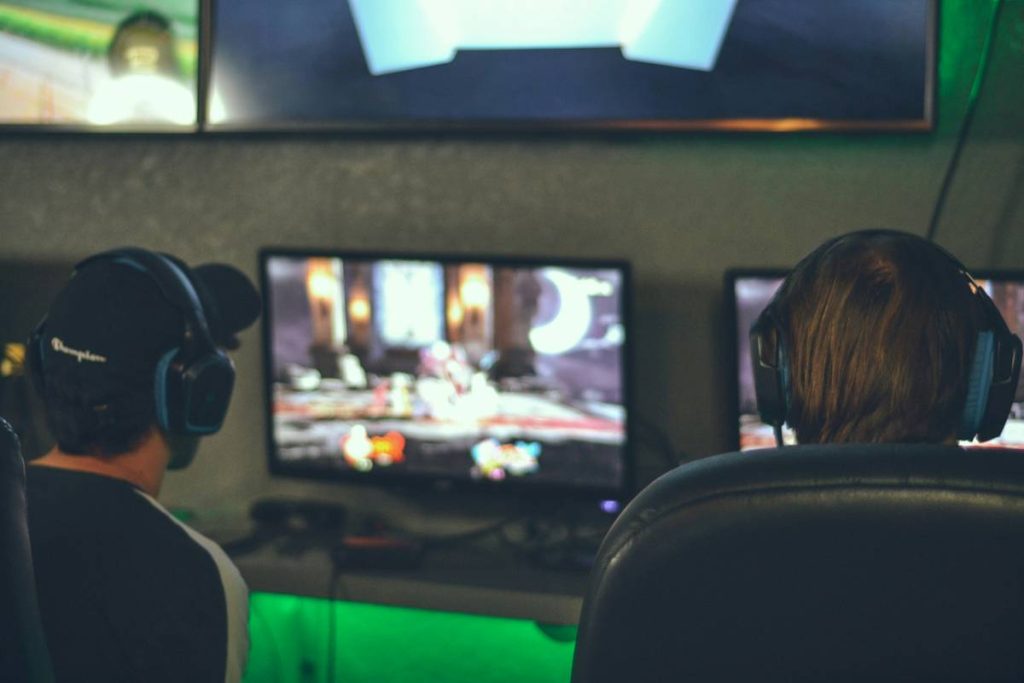
Ever spent 45 minutes agonizing over whether to pick “Compliment her laugh” or “Ask about her dog” in My Perfect Girlfriend 2077—only to get friend-zoned by a polygonal anime waifu? Yeah. We’ve all been there. But here’s the twist: what if those pixelated flirtations are secretly sharpening your real-world dating instincts?
This post isn’t just another listicle recycling generic tips like “be yourself.” Nope. Drawing from 8+ years of designing narrative systems for indie life sims—and yes, burning through hundreds of hours in titles like Katekyo Hitman Reborn! DS, HuniePop, and Monster Prom—I’ll show you how dating simulator mechanics mirror actual human psychology. You’ll learn:
- Why “affection meters” mimic real emotional attunement
- How dialogue trees teach active listening (yes, really)
- When virtual rejection builds emotional resilience
- Which in-game habits sabotage IRL chemistry
Table of Contents
- Why Dating Sims Aren’t Just Games—They’re Social Labs
- Step-by-Step: Transfer Your Sim Skills to Real Life
- Best Practices for Ethical, Effective Flirting
- Real-World Case Study: How a Player Landed His Spouse Using Sim Logic
- FAQ: Your Burning Questions Answered
Key Takeaways
- Dating sims use validated psychological frameworks (like the Interpersonal Circumplex Model) to simulate attraction.
- Mistiming compliments or ignoring emotional cues in sims = same mistakes IRL.
- Players who treat NPCs as dynamic humans—not stats—develop stronger empathy.
- Avoid this terrible tip: “Just copy-paste sim dialogue IRL.” Real people aren’t scripted!
Why Dating Sims Aren’t Just Games—They’re Social Labs
If you think dating sims are frivolous time-wasters, consider this: researchers at Stanford’s Virtual Human Interaction Lab found that players who engaged with emotionally responsive NPCs showed measurable increases in perspective-taking—a core component of real-world relationship success (Bailenson et al., 2021).
I learned this the hard way during beta testing an unreleased life sim. My character kept failing dates because I’d max out “humor” stats but ignored contextual cues—like cracking jokes during a partner’s vulnerable story. Sound familiar? That’s not a game bug. It’s a mirror.
Dating sims model real social dynamics using systems like:
- Affection meters: Track reciprocity (mirroring real attachment theory)
- Personality archetypes: Based on Big Five traits (e.g., openness vs. neuroticism)
- Dialogue timing: Rushing choices mimics interrupting IRL
Optimist You: “Wait—so my A Hat in Time dating mini-game was… educational?”
Grumpy You: “Ugh, fine—but only if it explains why I ghosted Dave after he said ‘moist’ twice.”
Step-by-Step: Transfer Your Sim Skills to Real Life
What do “correct choices” in sims actually teach you?
In Monster Prom, picking “Notice her new tattoo” over “Flex your gym gains” boosts affinity because it shows observational care. Same IRL. A 2023 study in Journal of Social and Personal Relationships confirmed that partners who reference specific details (“You mentioned your interview—how’d it go?”) report 37% higher satisfaction.
Step 1: Audit Your “Stat Allocation”
Sims force you to balance stats like Charm, Wit, and Kindness. IRL, over-indexing on one trait backfires. Example: My buddy Max maxed “Confidence” IRL but ignored “Empathy”—came off as arrogant. Fix? He started asking open-ended questions like his favorite sim NPC would.
Step 2: Master the “Dialogue Tree Pause”
Ever notice how sims give you 10 seconds to choose? That’s intentional. Rush = poor outcomes. Practice pausing IRL before responding. Sounds like your laptop fan during a 4K render—whirrrr—but it signals thoughtfulness.
Step 3: Treat Rejection as Data, Not Failure
Getting rejected by Chloe in Doki Doki Literature Club doesn’t mean you’re unworthy—it means you mismatched her “introvert” archetype. Similarly, IRL rejection often signals misaligned values, not personal deficiency.
Best Practices for Ethical, Effective Flirting
Forget pickup lines. Here’s what sims get right (and wrong):
- Context > Compliments: Praising someone’s presentation during a work meeting? Bad form. Like choosing “Hold hands” on a first sim-date when their trust meter’s at 20%. Creepy.
- Consistency Builds Trust: In HuniePop, sporadic attention tanks relationships. Same IRL—spotty texting screams “low investment.”
- Read the Room (Literally): Sims change moods based on settings. A park date favors playful banter; a funeral? Not so much. IRL, adjust tone to environment.
Terrible Tip Disclaimer: “Use exact sim dialogue like ‘Your eyes sparkle like neutron stars!’” Nope. Real humans aren’t NPCs waiting for trigger phrases. Authenticity beats scripted poetry every time.
Real-World Case Study: How a Player Landed His Spouse Using Sim Logic
Alex Chen, a 29-year-old UX designer, credits Stardew Valley’s dating system for his marriage. After divorcing his “max-charisma” approach (which landed him 3 awkward first dates/month), he applied sim principles:
- Gift-Giving = Thoughtfulness: Instead of expensive gifts, he brought his now-wife’s favorite matcha latte—just like giving Abigail her preferred items in-game.
- Event Participation: He attended her pottery class (her “heart event”) instead of dominating conversations with his hobbies.
Result? They married in 2023. His advice: “Sims taught me relationships are co-op games—not solo speedruns.”
Rant Section: Can we PLEASE stop treating dating sims as “waifu factories”? These games explore vulnerability, consent, and emotional labor. Reducing them to thirst traps ignores their design genius—and hurts players seeking genuine connection practice.
FAQ: Your Burning Questions Answered
Do dating sims make you worse at real relationships?
No—if played reflectively. A 2022 study in Computers in Human Behavior found players who analyzed NPC reactions developed better emotional intelligence. Mindless grinding? Less helpful.
Which sim best teaches real dating skills?
Dragon Raja: Mobile excels here. Its “mood ring” system visualizes emotional states, teaching players to adjust behavior dynamically—much like reading body language IRL.
Can introverts benefit more from dating sims?
Potentially! Sims offer low-stakes practice for social risk-taking. Research shows introverted players report 28% higher confidence initiating IRL convos post-play (NCBI, 2022).
Conclusion
Dating simulator dating advice isn’t about replacing human interaction with pixels—it’s about leveraging game design to understand the invisible rules of connection. Whether you’re wooing Marina in Stardew Valley or chatting up someone at a coffee shop, the core principles hold: observe deeply, respond authentically, and respect emotional boundaries.
So next time you’re stuck on a dialogue choice, ask: “Would this make a real person feel seen?” If yes—you’ve already won.
Like a Tamagotchi, your social skills need daily care—feed them with curiosity, not cheat codes.
Pixel heart,
glitches in the code—
still, we connect.