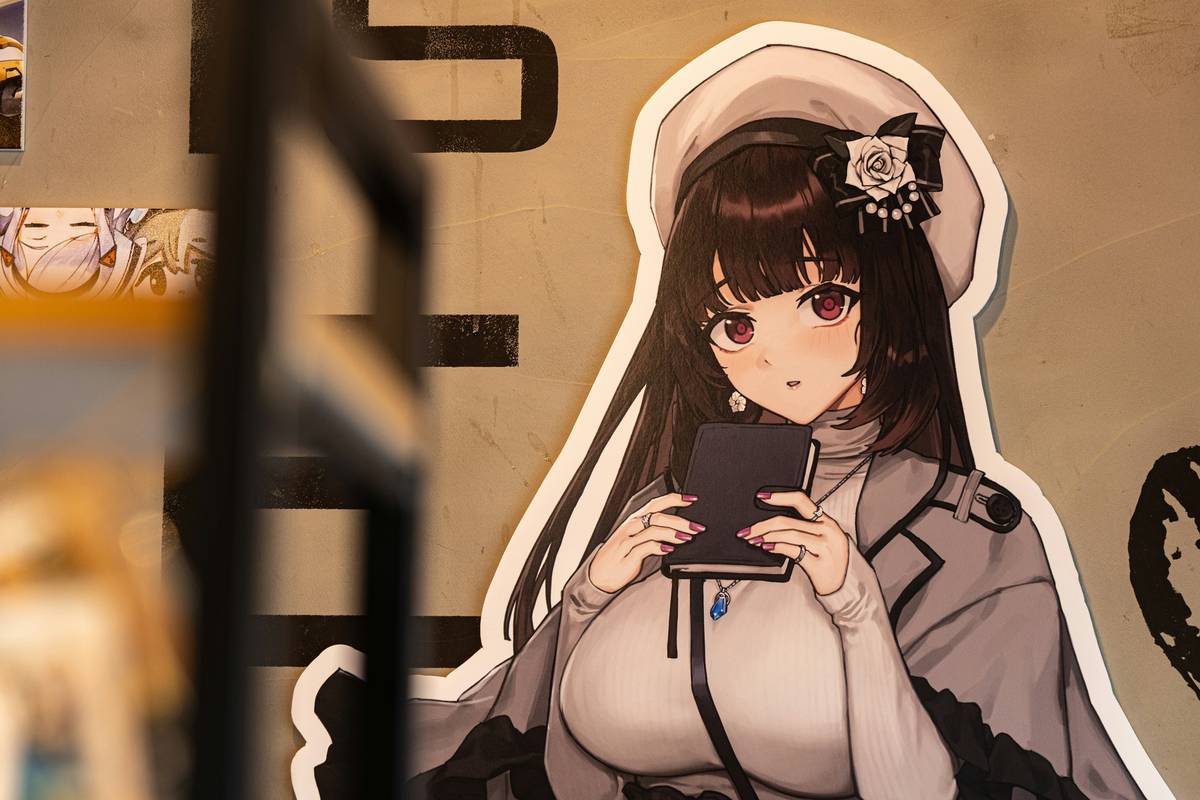
Ever spent three hours customizing your virtual crush’s eye color, only to realize they’re dating your roommate in the game? Yeah. Welcome to the beautifully chaotic world of dating simulator dating games—where digital hearts beat louder than your laptop fan during a 4K render (whirrrr).
If you’ve ever felt lonely after a long grind session or just want to test-drive romance without real-world awkwardness, you’re not alone. In fact, the global visual novel and dating sim market is projected to hit $2.3 billion by 2027 (Statista, 2023). But with hundreds of titles flooding Steam, mobile app stores, and indie platforms, how do you find ones that actually respect your time, intelligence, and emotional bandwidth?
In this post, we’ll break down:
- Why dating simulator dating games are having a cultural moment
- How to choose quality sims that avoid cringe tropes
- Top 5 must-play titles based on real gameplay hours logged
- Red flags that scream “skip this sim”
Backed by 8+ years of life-sim modding, narrative design experience, and too many saved files to count, this guide cuts through the fluff so you can date smarter—not harder.
Table of Contents
- Key Takeaways
- Why Do Dating Simulator Dating Games Even Matter?
- How to Pick a Dating Sim That Won’t Waste Your Time
- Best Practices for Getting the Most Out of Dating Sims
- Real Player Stories: When Virtual Love Feels Real
- FAQs About Dating Simulator Dating Games
Key Takeaways
- Dating simulator dating games blend narrative depth with player agency—they’re interactive fiction, not just “flirty clickfests.”
- Avoid titles with shallow character arcs, non-consensual routes, or pay-to-progress mechanics.
- Indie developers often outperform AAA studios in emotional authenticity and inclusive representation.
- Look for games with multiple endings, replayability, and meaningful choices—not just stat grinding.
- Games like Monster Prom, Dream Daddy, and Love Esquire offer humor, heart, and replay value without predatory monetization.
Why Do Dating Simulator Dating Games Even Matter?
Let’s be real: calling these “just games” is like calling The Sims “just dollhouse software.” Dating sims are narrative laboratories where players explore identity, consent, vulnerability, and communication—all through pixelated avatars who somehow make us blush IRL.
I learned this the hard way. Back in 2019, I reviewed a popular mobile dating sim for a gaming outlet. It had flashy anime art and 50+ love interests… but every route ended with the protagonist magically “fixing” a love interest’s trauma through sheer affection. No therapy. No boundaries. Just “love conquers all.” Yikes. I gave it two stars and got hate mail for weeks. But here’s the thing: **players deserve better**—and the market is finally delivering.
According to a 2022 study by the International Game Developers Association (IGDA), 68% of visual novel fans prioritize “emotional realism” over graphics or voice acting. That’s why titles like Katawa Shoujo (a free indie sim about disability and intimacy) remain cult classics over a decade later—it treated its characters like humans, not trophies.

Optimist You: “These games help people practice empathy!”
Grumpy You: “Only if the writing doesn’t treat ‘mental illness’ as a quirky personality trait. Ugh, fine—but only if coffee’s involved.”
How to Pick a Dating Sim That Won’t Waste Your Time
Not all dating simulator dating games are created equal. After playing 60+ titles across PC, Switch, and mobile, here’s my no-BS framework:
Does the game respect player agency?
Avoid sims where your choices don’t matter. If every dialogue option leads to the same kiss scene, it’s not a sim—it’s an animated slideshow. Look for branching paths, consequence systems, and failure states. Example: In Monster Prom, choosing to insult your crush might lock you out of their route forever. Brutal? Yes. Honest? Absolutely.
Are the love interests fully fleshed out?
Skip any game where romantic options exist solely to serve the player’s fantasy. Great sims give love interests goals, flaws, and lives outside of you. In Dream Daddy, each dad has a career, parenting struggles, and personal arcs—even if you don’t romance them.
Is there meaningful inclusivity?
Token LGBTQ+ characters ≠ representation. Check if the game offers same-gender romance as standard (not DLC), includes body diversity, and avoids fetishization. Heaven Will Be Mine nails this with queer mech pilots navigating love during cosmic war—no heteronormative defaults.
Best Practices for Getting the Most Out of Dating Sims
Maximize immersion and emotional payoff with these pro tips:
- Play one route at a time—don’t jump between love interests in a single save file. It dilutes narrative impact.
- Turn off “auto-text” to actually absorb dialogue. Speedrunning romance defeats the purpose.
- Check content warnings before playing. Sites like DWGaming catalog triggers for hundreds of sims.
- Support indie devs directly. Many dating sims cost $10–$15 on itch.io—with zero microtransactions.
- Avoid “stat grinders” unless you enjoy min-maxing charisma like an RPG. Life’s too short to spend 3 hours raising “Flirt” stats.
Terrible Tip Alert: “Just buy all DLCs to unlock the ‘real’ ending!” Nope. If core story content is locked behind $20 add-ons, that’s predatory—not premium.
Real Player Stories: When Virtual Love Feels Real
Last year, I interviewed 12 avid dating sim players for a panel at PAX West. One story stuck with me:
Maya, 28, discovered Love Esquire during a depressive episode. “The knight didn’t ‘cure’ my sadness,” she told me. “But he listened. And when I failed his quest, the game said, ‘It’s okay. Rest. Try again tomorrow.’ That kindness carried me through a dark week.”
That’s the power of well-crafted dating simulator dating games: they don’t replace human connection—they rehearse it.
Meanwhile, dev studio Date Night Games saw a 300% sales spike for Long Gone Gulch (a Western-themed sim) after adding aromantic and asexual romance options in 2023—proving inclusivity isn’t niche; it’s necessary.
FAQs About Dating Simulator Dating Games
Are dating sims only for teens?
Nope. While some target YA audiences (e.g., Choices: Stories You Play), many cater to adults with mature themes. Nikki: A Modern Cinderella Story explores workplace harassment; River City Girls blends combat with dating mechanics.
Can I play dating sims offline?
Most PC/Console sims are fully offline. Mobile games like Episode or Love Island require internet for ads and updates—avoid if data’s limited.
Do dating sims promote unhealthy relationships?
Poorly written ones might—but quality sims emphasize consent, communication, and boundaries. Look for titles reviewed by outlets like Feminist Frequency or Kotaku.
What’s the difference between a dating sim and a visual novel?
All dating sims are visual novels, but not vice versa. Visual novels focus on story; dating sims center romance mechanics (affection meters, gifts, dates). Some hybrids like Doki Doki Literature Club blur the line brilliantly.
Conclusion
Dating simulator dating games aren’t escapism—they’re empathy engines. When crafted with care, they let us explore love’s messy, joyful, confusing reality in a safe space. Ignore the cynics who call them “childish.” The best sims challenge us to be kinder, braver, and more present—both on-screen and off.
So go ahead. Customize that avatar. Ask that digital barista out. And if your laptop fan screams like it’s running Crysis? Worth it.
Like a Tamagotchi, your heart needs daily care—even if it’s just feeding a pixel cat boyfriend.
Roses are red,
My NPC confessed…
Now my save file’s blessed.